
You want to update your home, but you do not want to pour money into a remodel that buyers in Quincy will not pay you back for. Maybe you are eyeing a kitchen overhaul, wondering about finishing the basement, or thinking a new bathroom would finally make the house feel complete. The worry sitting in the back of your mind is simple: will this project actually boost my home’s value, or just drain my savings?
That concern is reasonable, especially with so much generic remodeling advice online that does not match what buyers in towns like Quincy actually look for. Some projects help your home sell faster and for more, and others mainly reflect personal taste. The right plan blends both, so you enjoy your home now without making it harder to recoup your investment when you decide to move.
At Area Home Services, we work on homes across Illinois, Missouri, and Iowa, and we see patterns in what local buyers respond to and what they walk away from. We are a family-owned, veteran-owned company that handles everything from handyman work to full renovations and concrete coatings, and we use detailed checklists and a transparent process to keep projects on track. In this guide, we share how to pick value-boosting remodeling projects for a Quincy-area home and how to sequence them so your budget and long-term plans stay protected.
Start With How Buyers Look At Quincy Homes
Most buyers decide how they feel about a Quincy home within the first few minutes of walking through the door. They notice the entry, the living spaces, and then almost always head toward the kitchen and bathrooms. Along the way, they are quietly judging the overall condition, layout, and whether there is enough usable space for how people actually live, including storage and flexible rooms.
Price range and neighborhood play a big role. In a modest Quincy neighborhood, buyers expect clean, functional, and updated spaces, not necessarily luxury finishes. If you install high-end stone everywhere and commercial-grade appliances in a starter-home neighborhood, you may end up over-improving. That means you spend more than you are likely to get back, because surrounding homes anchor what buyers are willing to pay.
It helps to separate “I love living here” projects from “this will help my home sell” projects. For example, a custom hobby room built to your exact tastes might bring you a lot of joy, but a future buyer could see it as something to undo. On the other hand, adding a second full bathroom or making a dark, dated kitchen feel bright and practical tends to help almost every buyer. When we walk through a home, we look at it through both lenses: what will make life better now and what will make the house stand out in a competitive Quincy listing.
A simple starting point is to compare your home’s layout and condition to similar homes that have sold nearby. If most comparable homes have two full baths and your home has one and a half, or they have finished lower levels while yours is bare concrete, those gaps point you toward projects that can close the value difference. Our team often helps homeowners interpret this kind of comparison before they commit to a project list so they can focus on improvements that matter most in their part of the market.
Kitchen Updates That Boost Value Without Blowing The Budget
The kitchen is usually the heart of a Quincy home, and buyers treat it that way. That does not mean every kitchen needs a full gut remodel with top-of-the-line everything. In many cases, a smart facelift delivers a stronger return than tearing the space down to the studs. Painting sound cabinets, replacing worn counters, updating the sink and faucet, and installing better lighting can change the feel of the entire main floor.
The big tradeoff to understand is mid-range versus luxury. In many Midwestern markets, buyers value clean, durable, and coordinated finishes more than exotic materials. A solid mid-range countertop, quality but not ultra-premium appliances, and simple cabinet hardware can read as move in ready without the price tag of a chef’s kitchen. Highly customized kitchens with unique layouts or very specific finishes tend to pay off only in higher-end neighborhoods where every home is finished to that level.
Function is just as important as finishes. When we plan kitchen work, we look at the work triangle between the sink, stove, and refrigerator, and how people move through the space when cooking or entertaining. Sometimes, relatively small changes, such as widening a doorway, relocating an island, or adding a pantry cabinet, make the room feel much more usable. Better lighting, especially under-cabinet and overhead fixtures with the right color temperature, can make older finishes look brighter and more modern at a fraction of the cost of replacement.
For many Quincy homeowners, the value-boosting kitchen plan sits between a basic cosmetic update and a full rebuild. That might mean pairing painted cabinets with new counters and backsplash, replacing tired flooring with something durable, and updating appliances to a cohesive, modern look. Because Area Home Services handles both detailed renovation work and handyman-level tasks, we can build a kitchen plan that fits your budget and use our checklists to make sure each step supports the next instead of doing everything piecemeal.
Why Adding Or Updating Bathrooms Can Change Your Home’s Value
Bathroom count and condition can quietly make or break a sale. Buyers care not just about how nice a bathroom looks, but whether the home has enough bathrooms for the way families actually live. A house with three bedrooms and only one outdated full bath will often sit longer on the market than a similar house with an extra half bath or a simple but modern second full bath.
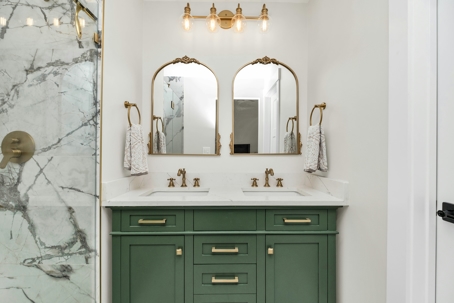
There are two main paths to boost value through bathrooms. The first is updating what you already have. New tile or wall finishes, a modern vanity, fresh fixtures, and brighter lighting can transform a tired bathroom without moving walls. Replacing a heavily worn tub or shower with a clean, easy-to-maintain system and making sure ventilation actually clears steam both improve daily comfort and signal to buyers that the home is cared for.
The second path is adding a bathroom where it solves a real problem. For example, converting part of a large bedroom closet and some hall space into a small primary en-suite bath can make your home compete with newer builds. Adding a half bath near the main living areas, or planning a full bath as part of a basement project, can change how flexible the home feels for guests or multigenerational living. These projects require careful planning around plumbing runs, structural walls, and how the new bath affects adjacent rooms.
In Quincy and similar markets, buyers often appreciate bathrooms that are practical and easy to maintain more than ultra-luxury designs. Thoughtful storage, non-slip flooring, good task lighting, and reliable fan ventilation can be more valuable than a soaking tub that rarely gets used. When our team plans bathroom work, we put a lot of attention into moisture control and layout, because a beautiful bathroom that traps humidity or feels cramped does not hold its value well. Our focus on thorough preparation means we look for hidden issues, like old plumbing or poor waterproofing, before you invest in new finishes.
Finishing Your Basement The Smart Way For Added Living Space
In the Midwest, a dry, finished basement can feel like you have added an entire new level to your home. For Quincy buyers, that extra space might become a family room, play area, home office, fitness space, or guest suite. However, finishing a basement without dealing with moisture and structural concerns first can turn into a money pit and even create concerns during inspection for future buyers.
The first question we always ask is whether the basement stays dry. That means walking the space, looking for stains, smelling for mustiness, and checking for cracks or signs of seepage. If there are water issues, they need to be addressed before framing walls or installing flooring. Insulation choices, especially along exterior walls, also matter, because the wrong approach can trap moisture. Windows that might serve as emergency egress for bedrooms need careful evaluation, even though we do not provide legal code advice, because buyers and inspectors are paying more attention to safe exits and overall safety.
Once the space is dry and structurally sound, design decisions make a big difference in how finished the basement feels. Ceiling height, lighting, and flooring are the big three. Lower ceilings benefit from recessed or low-profile lighting and a thoughtful layout that keeps mechanicals accessible but out of sight. For floors, buyers and homeowners both want durable, easy-to-clean surfaces that stand up to occasional dampness and heavy use.
This is where concrete coatings play a strong role. Rather than simply painting or covering the slab with materials that can peel or trap moisture, we can apply coatings that bond to the concrete and create a clean, attractive, and hard-wearing surface. In many Quincy basements and garages, this transforms the feel of the space into something closer to a finished living area, even before rugs or furniture go in. At Area Home Services, our concrete coating services are built around careful surface preparation and product selection, which helps protect your investment in framing, insulation, and finishes on top.
High-Impact, Low-Stress Updates Throughout The House
Not every value-boosting project has to involve walls coming down or months of construction. If a full kitchen or basement project is not in the cards right now, you can still move the needle on both value and livability with smaller, well-chosen upgrades. These are often the details buyers notice during a showing, even if they cannot name exactly why the home feels well kept.
Fresh interior paint in a cohesive, neutral palette can make rooms feel bigger, brighter, and more modern. Replacing dated light fixtures with simple, contemporary designs and using bulbs with consistent color temperature throughout the house pulls spaces together. Swapping out worn hardware on doors and cabinets, tightening railings, smoothing damaged drywall, and ensuring doors and windows open and close smoothly all tell buyers the home has been taken care of.
Storage improvements are another quiet value booster. Simple closet organization systems, added shelving in laundry or utility spaces, and better use of mudroom or entry areas help families picture how they will live in the home. Combined with basic curb-appeal work, such as refreshing the front door and making sure exterior steps and railings feel solid, these projects build a strong first impression that supports your asking price.
Because Area Home Services handles handyman work as well as larger renovations, we can bundle many of these smaller updates into a single, efficient project. Our team uses in-depth checklists to walk through your home, identify quick wins and high-priority fixes, and then schedule them in a way that limits disruption. This approach often gives homeowners a visible boost in how their home presents, both for everyday living and future showings, without requiring the budget of a major remodel.
Avoid Over-Improving And Common Remodeling Money Pits
One of the easiest ways to lose money on remodeling is to over-improve compared to the rest of the neighborhood. In Quincy, if surrounding homes are modestly finished and you turn yours into something closer to a luxury property, the market may not follow you. Appraisers and buyers both look at recent comparable sales, so there is a ceiling to what most buyers will pay, regardless of how much you spend on high-end finishes.
Some projects often fall into the do it for yourself, not for value category. Highly customized spaces, like elaborate themed rooms, specialized hobby areas, or built-ins that dominate a room, can turn off buyers who do not share your tastes. Expensive outdoor features that are costly to maintain, such as complex water features, may also fail to deliver a strong return, especially in areas where buyers focus more on solid indoor space and basic outdoor usability.
Layout changes that reduce bedroom count or eliminate flexible living areas can also hurt value. Turning a bedroom into a large closet, or combining two smaller bedrooms into one huge suite, might feel luxurious day to day, but it can narrow your buyer pool when it is time to sell. Similarly, building out very elaborate basement areas without solving moisture or access issues first can create inspection concerns that overshadow the visual appeal.
We regularly talk with homeowners about these tradeoffs so they can make conscious choices. If a project brings you a lot of personal satisfaction but is unlikely to pay for itself at resale, that does not mean you should never do it. It just means you go into it understanding the difference between a lifestyle upgrade and a value play. Our role at Area Home Services is to be straightforward about those distinctions, not to push every possible project, so the money you do invest is working the way you expect.
Plan Your Remodeling In Phases To Protect Your Budget
Few homeowners in Quincy can or should tackle every remodeling idea at once. A phased plan helps you address the most important issues first, spread costs over time, and still move steadily toward a home that is both more enjoyable and more valuable. The right sequence also reduces the risk of having to undo new work later to fix hidden problems.
A smart order of operations starts with safety and structure. That includes any known foundation or moisture concerns, electrical or plumbing issues, and obvious problems like loose railings or failing steps. Next come high-impact spaces, usually the kitchen, bathrooms, and a potential finished basement. Only after those bigger moves are planned and budgeted does it make sense to layer in cosmetic updates such as paint, hardware, and decor-focused changes.
Timing your projects with your life matters too. If you plan to stay in the home for several years, you can prioritize projects that dramatically improve daily use and still expect to enjoy them for a while before selling. If you are thinking of listing in the near term, it often makes more sense to focus on value-boosting projects with shorter timelines and smaller disruptions, like bathroom facelifts, kitchen refreshes, and visible maintenance work that will come up in inspection reports.
At Area Home Services, we help homeowners build these phased plans using free estimates and clear scopes of work. Because we offer financing options, we can also explore ways to sequence projects so you are not stuck choosing between doing nothing and taking on all the work at once. Our checklists keep each phase organized, so when you are ready to move to the next step, you are building on solid work instead of patching over rushed decisions.
Choosing A Remodeling Partner Who Understands Quincy Value
Once you have a sense of which projects will boost your home’s value, the next step is finding a team that understands both construction and how those projects play out in the Quincy-area market. You want a contractor who will talk honestly about what tends to pay off, what is more of a personal upgrade, and how to execute the work with as little stress as possible.
As a family-owned and veteran-owned business, Area Home Services brings a combination of local awareness, reliability, and attention to detail to every job. We stay current with modern home solutions and materials, and we use in-depth checklists and transparent communication from preparation through completion. This helps ensure that nothing important is overlooked, from addressing moisture concerns in a basement to planning storage and lighting in a new kitchen layout.
Because we handle a wide range of services, including handyman work, renovation projects, concrete coatings, and specialty services, you do not have to coordinate multiple contractors to get a thoughtful, phased plan in place. Our team can walk through your Quincy home, listen to your goals, and propose a sequence of projects that balances everyday comfort with long-term resale potential. With free estimates and financing options, you can start moving toward a more functional, beautiful, and valuable home on a timeline that works for you.
If you are ready to talk through value-boosting remodeling options for your home, we welcome the chance to visit, take a close look, and share practical ideas tailored to your space and budget.